Blog

God’s Queer Plan

This post was originally published at Karen Keen’s Substack, Bible, Sex, and Gender.

The Spirit of the Lord is upon gay, transgender, bisexual, and intersex people to be Christ’s witnesses and to build the Church. God has quickened my heart and imagination with this truth like never before. The seeds of this prophetic vision were growing in my heart two years ago, but only recently has it struck me with force. When I co-founded Bakos Project in 2023, a mentoring program for Christian LGBTQ leaders, I knew the conversation on sexual and gender minorities needed to shift from tired debates to the ways God is anointing LGBTQ people to serve the Kingdom of God.

But I didn’t fully grasp the greatness of this vision—that God might use sexual and gender minorities to transform a dying Church in the West or plant churches in Majority World regions. Was it possible that LGBTQ Christians might preach the gospel to American evangelicals, a population entangled in political syncretism? Was it possible LGBTQ Christians could plant churches in foreign countries hostile to sexual and gender minorities? How unfathomable! Who in the Bible Belt would ever listen to a gay evangelist? Who in the Majority World, where traditionalist views reign, would ever be converted by a trans preacher?

Yet, increasingly, my heart is stirred up for my people. I long to see evangelicals, the ones who taught me about Jesus, restored to their first love. Simultaneously, I feel passionate about bringing the gospel to a jaded generation that isn’t sure Christianity matters anymore.

As I engaged friends about this, it dawned on me that the early Christians were in the same boat as LGBTQ Christians today. They were a persecuted minority commissioned to bring the gospel to the majority. The Greeks thought Christians were fools, and the wider Jewish community considered a dying Messiah a stumbling block. Yet despite being considered weirdos with an absurd message, God used the early Christians to launch a movement that spread across the globe.

Paul tells a group of Christians in Corinth, “God chose the foolish things of the world to shame the wise; God chose the weak things of the world to shame the strong.God chose the lowly things of this world and the despised things—and the things that are not—to nullify the things that are” (1 Cor 1:27-28; NIV).

God’s plan is truly queer. I mean, how strange, how odd to bring about divine plans through people stigmatized as foolish, weak, lowly, and despised?

In choosing the “foolish,” God was—and is—freeing the “wise” from enslavement to their own self-righteousness. God intentionally appoints the lowly “so that no one may boast” (1 Cor 1:29, 31). To be clear, the “foolish” are not fools in God’s eyes, anymore than the “wise” are enlightened. But to the Greek and Jewish leaders of the 1st century, the early Christians were rejects. Some, like Paul, before his conversion, wanted to kill these bizarre Jesus followers. In the same way, gay, transgender, bisexual, and intersex Christians today are a stumbling block to those who expect God’s methods to be more “respectable.”

Jesus said, “Blessed are you when people insult you, persecute you and falsely say all kinds of evil against you because of me.” To be rejected is hard. We need belonging. But, paradoxically, the misfits—the queer ones—make the truth of God’s love more shockingly apparent. For when the Church realizes that God’s love and anointing extend even to us, they are stunned by the magnitude of God’s grace. Such realization can free those enslaved to elitism and conceit. Suddenly, they, too, realize it’s safe to let go of performative pretenses, for God’s grace is enough even for them, even for “self-identified holy ones.”

We need not be ashamed of our lowly state in the eyes of the world or the Church. For our Lord was also “despised and rejected” (Isa 53:3). And yet, such suffering is not in vain. Scripture says, for the joy set before him Jesus endured the cross (Heb 12:12). His suffering (and ours) bears fruit in paradoxical ways. Resurrecting power is here! When we are weak, we are strong.

God’s power is displayed through the lowly so that no one can boast. God is leveling the playing field. The power of this world corrupts, creating heirarchies and caste systems. But God’s power raises up the underdog. And that’s good news for oppressors too. The gospel means we can throw away the measuring sticks. We can cease striving out of our misguided sense of scarcity.

The good news is God’s abundant life is for everyone. The “riches” of God’s grace have been “lavished upon us” (Eph 1:7-8). God’s love “has been poured out into our hearts through the Holy Spirit,” so that we can radiate this divine love to all (Rom 5:5). And God is raising up LGBTQ Christians to proclaim this good news!

For centuries, the devil has convinced sexual and gender minorities that they are unchosen. But now, God is reviving the Church’s memory of Bakos’s commissioning. The 1st century Ethiopian enunuch, a sexual minority, was chosen and anointed by God (Acts 8). Deemed unqualified and barred from worshipping in the Temple, Bakos became an evangelist, a leader in the Church. Now that vision is being restored. LGBTQ Christians are answering the call to be Christ’s witnesses to the ends of the earth.

Only recently did I fully realize what the Spirit wants to do. My vision was limited. The current conversation concerning sexual and gender minorities centers almost entirely on ethical debates. But God is reshaping my prophetic imagination. The Spirit doesn’t want to simply defend LGBTQ people’s existence, the Spirit is anointing Christian LGBTQ leaders to proclaim the gospel of Jesus Christ and to build the Church.

Lately, I keep encountering LGBTQ Christians who want to talk about missions and evangelism. My eyes are opening to all the LGBTQ missionaries, church leaders, and community servants around me. As one example, I think of singer-songwriter Marsha Stevens-Pino who found Christ during the Jesus Movement and was discipled at the first Calvary Chapel. Over the past several decades, she has faithfully shared the gospel through her testimony and music. I was reminded of this in a recent Substack post, where Marsha shares one of her ministry stories:

I could not sell the Gospel short. It’s good news. I had to tell it. So, I sang a song or two as the stragglers came in. Then I sang the first song I wrote, “For Those Tears I Died (Come to the Water).” To my surprise several women sang or hummed along – so they knew it! I continued for another hour or so, sharing songs I had written about coming out and learning more about God’s love and how it applied to all of us.

Similarly, my friend Tim Otto has faithfully pastored an intentional Christian community and written on “biblical wisdom for a new monasticism.” Matthew Vines, founder of The Reformation Project, has preached powerfully on “The Heart of Christianity.” Pastor Amie, an evangelist, regularly travels the globe on mission trips, sharing the gospel, while caring for humanitarian needs. Rev. Marcus Halley proclaims the gospel of reconciliation, while caring for college students. Justin Lee, who founded one of the first prominent evangelical organizations for LGBTQ people, has shepherded hundreds of souls over the years. The list goes on and on, especially when we consider those who have gone before us like the remarkable Rev. Pauli Murray.

The next generation of LGBTQ leaders also reminds me of the great things God is doing. My friend Andy spent years working for an evangelical mission organization before coming out. He was forced to leave, but like Joseph, God is transforming harm into redemptive good. No one can squelch what God is doing. The Spirit continues to stir his heart for mission work and being pushed out means new avenues to serve in ways not previously considered.

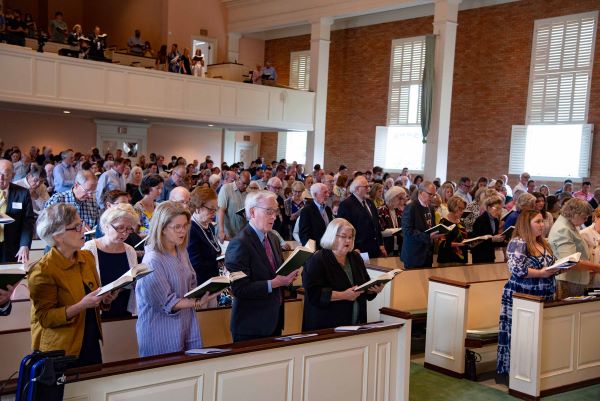
This past weekend in Dallas, I had the privilege of attending a public worship event put on by CenterPeace, where LGBTQ Christians sang and shared their faith. The founder of CenterPeace, Sally Gary, has been serving as a pastor-at-large for decades. Her own denomination would not allow women (let alone a gay person) to be a pastor, but God calls whom God calls. The local newspapers don’t carry her name in the headlines, but God has worked through her to shepherd thousands of people over the years.

LGBTQ Christians worship at Union Coffee in Dallas, Texas. Photo by Sally Gary

Therefore, dear LGBTQ Christian brothers, sisters, and siblings, rise up! Rise up! God has anointed you to be “the apostles, the prophets, the evangelists, the pastors and teachers,to equip his people for works of service, so that the body of Christ may be built up” (Eph 4:11-12). God has empowered you with spiritual gifts of hospitality, words of knowledge, encouragement, leadership, healing, generosity, faith and more (see Rom 12 and 1 Cor 12). You don’t need to defend your existence any longer! Instead lean into God’s calling on your life.

Like Bakos, who was barred from the Temple, go and evangelize your people! Like Joseph who was cast out of his family, preach to the foreigners in your exile! For when we are weak, we are strong. What you think is impossible and beyond your reach, God has made possible.
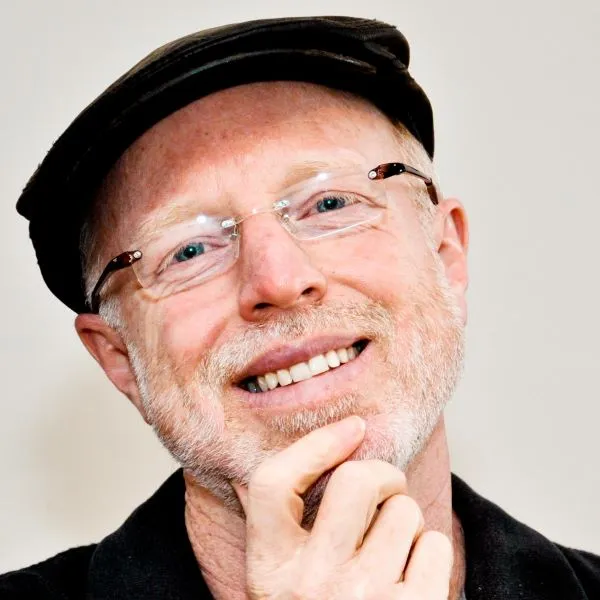
Tim Otto on Nurturing Intentional Community

Tim Otto is pastor of Church of the Sojourners in San Francisco, California, an intentional community that lives and serves together: “We believe God intends Christians to live out the pursuit of holiness not just individually but with a people, with a local church.” The community offers an apprenticeship program, where one can apply to join this unique fellowship for a year, as well as discern a long-term commitment. Tim, who is gay and theologically affirming of same-sex relationships, discerned a vow of celibacy in 2009 in order to devote himself to ministry. He has long given his life to serving others. As a Registered Nurse he was one of the first to work with AIDS patients. He has pastored Sojourners while simultaneously serving the broader San Francisco community.

Tim grew up in the Baptist church as a missionary kid (MK). Being an MK had its challenges, including attending seventeen different schools before he graduated high school. But Tim held fast to his Christian faith and began looking for ways to make a difference in the world from a young age, whether serving immigrants or teaching English through World Relief. In an article he wrote for Plough, he says, “Love perseveres in spite of failure, and humbly seeks forgiveness and love from God and others – and to forgive and love others – for the thousandth time. Love is rare because it is so difficult. At the Simple Way, a community known for service to its poor neighborhood, the participants say, ‘The most radical thing we do is choose to love each other…again and again.’” Tim has a Master of Theological Studies (MTS) degree from Duke Divinity School and has authored two books: Inhabiting the Church: Biblical Wisdom for a New Monasticism (co-authored with Jon Stock and Jonathan Wilson-Hartgrove) and Oriented to Faith: Transforming the Conflict Over Gay Relationships.

Listen to Tim Otto talk about the church and living in community in this podcast episode with pastor Tom of Sycamore Church.

The Story of Wilshire Baptist Church

When Wilshire Baptist Church was founded in 1951 in Dallas, Texas, the congregation could not have foreseen the monumental event that would ultimately severe their relationship with Baptist General Convention of Texas. In November 2016, Wilshire Baptist Church voted to fully affirm and include LGBTQ people into the life of the church.

Nineteen members of a study group, supported by pastor George Mason, prayed and processed for fourteen months before the congregation voted. The experience is recapped in a book by former associate pastor, Mark Wingfield, called Why Churches Need to Talk About Sexuality: Lessons Learned from Hard Conversations about Sex, Gender Identity and the Bible. While Wilshire initially lost 300 members who disagreed with the decision, the congregation quickly added 350 new members. Today, it remains a thriving, life-giving presence in the heart of Dallas.

Recently, George Mason retired after thirty years of shepherding Wilshire. But before he stepped down, Mason met with LGBTQ members at Wilshire to discuss what the church can do beyond a vote to foster a culture where sexual and gender minorities feel welcomed and involved. The result is a new Sunday School class called Shiloh that reaches out to LGBTQ parishioners and allies. The class is co-facilitated by Sally Gary, director of the non-profit CenterPeace and features a variety of guest teachers.

New book of George Mason’s sermons

Wilshire’s new pastor, Timothy Peoples, now continues what George Mason started, creating a church where all people can grow in relationship with Christ and use their spiritual gifts to serve. Watch one of Pastor Timothy’s first sermons at Wilshire:

Resources on Sexuality

Books on sexuality are a dime a dozen. As a result, it can be challenging to sort through and find the best resources. As LGBTQ Christians, we might need a book or article to give to ministry leaders or parents on same-sex relationships or gender identity to help them understand the lives of sexual and gender minorities. Or, we may want resources to help us better articulate why we are theologically affirming of LGBTQ people. If that’s you, check out biblical scholar Karen Keen’s resource list on sexuality and gender, which provides a collection of helpful books, articles, and videos.

Want to Learn a 500 Year Old Christian Prayer?

Prayer is foundational to the Christian life. Yet, sometimes we go through seasons where it’s difficult to know how to pray. That’s where traditional forms of prayer can help us out. The Examen Prayer is a practice that Christians have been using to pray for more than 500 years. It was popularly introduced by a pastor in the 16th century, Ignatius of Loyola.

The Examen Prayer is a wonderful way to begin attending to the movements of the Holy Spirit in daily life. It only takes about 10-15 minutes. People often do it at the end of the day, but it can be done in the morning or lunchtime or any other time during the day. Using a journal while you pray the Examen can be helpful if you find your mind wanders during prayer times.

Ready to try it out? Here are some resources to get you started.

This short video will walk you through the Examen Prayer:


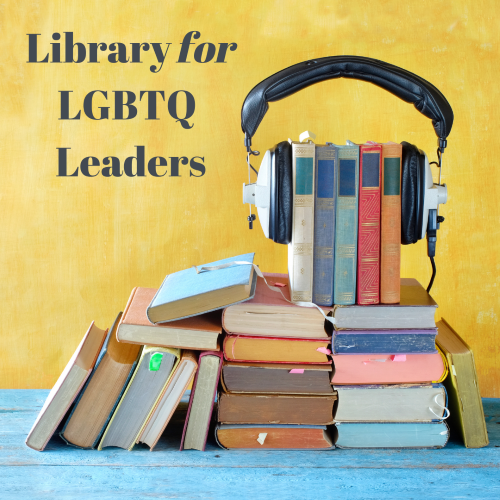
Library for Christian LGBTQ Leaders

The Church needs you. Yes, you, the LGBTQ Christian. Whether you are called to a ministry role or a position in the public sphere or community, God has a purpose for your life. God wants to work in and through you to make a positive difference in the world. As a Christian with leadership qualities, your Christ-like service is a gift to others. Being a leader (or budding leader), doesn’t mean having all the answers. We need resources and others to walk with us. That’s why the Bakos Project has a blog thread on resources to help equip you in the work you do.

The posts that are added to this thread, include relevant book reviews, videos, classes, and more. Stay up to date on the latest posts at the Library for LGBTQ Leaders.

Find an LGBTQ Affirming Church

If you come from a more conservative Christian background such as evangelical or Catholic, you may find yourself wondering where to attend church as an LGBTQ or intersex person. While many progressive denominations are affirming and these are options to explore, some LGBTQ folk long for a church that feels familiar. We want to hold onto the good of our heritage, while also being fully included and affirmed as sexual and gender minorities who have spiritual gifts to offer the Church. While it may take some time to find the right fit, be encouraged! Churches that both point us to Jesus and affirm us as LGBTQ and intersex people do exist! Below is a link to a directory that can help you get started.

The Remarkable Life of Pauli Murray

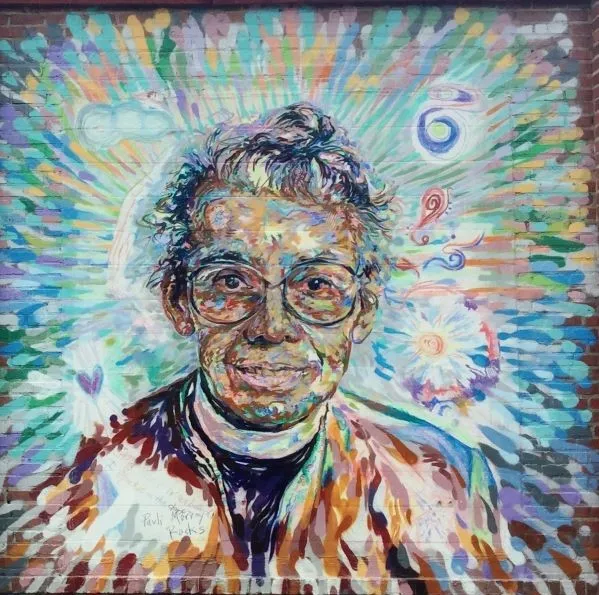
One of the most amazing people that has changed history for the better, and yet who most people have never heard of, is Pauli Murray (1910-1985). I first learned about Pauli when I lived in Durham, North Carolina, which happens to be the hometown of this remarkable Christian. Across Durham, you will find beautiful murals of Pauli tucked away in various parts of the city, along with a childhood home still standing and now preserved as The Pauli Murray Center for History and Social Justice. It’s the home where Pauli was sent to live  with relatives after becoming an orphan at the age of three.

Pauli experienced tremendous adversity from both racial and sex discrimination, including being barred from enrollment at the University of North Carolina for being Black and later being barred from Harvard for being a woman. Pauli also experienced the stress of being attracted to the same-sex and gender atypical at a time when both were taboo (looking for answers, an exploratory surgery was performed to discern if an intersex condition was present). Pauli persevered, eventually graduating from Yale Law School (1965) and is credited by Thurgood Marshall as the influence behind the arguments that overturned segregation laws. Ruth Bader Ginsburg (RBG) similarly credits Pauli with the arguments in Reed v. Reed, a landmark Supreme Court case that ruled against sex discrimination. Pauli was many things: a lawyer, poet, human rights advocate, professor, and pastor. This brief description doesn’t begin to do justice. I was awestruck reading Pauli’s autobiography, Song in a Weary Throat, which is rich with major historical events that Pauli was actively involved in. A true history maker.

A life-long Christian, Pauli entered seminary at the age of 62 and helped to overturn a ban on the ordination of women in the Episcopal church. In one interview Pauli said, “If you want to talk in theological terms, I would say I have been led, guided, and directed all my life. This door was closed so this door would open. I’ve always been more or less a devout Christian . . . I take very little credit for the things I’ve done except . . . that I’ve been responsive to the Holy Spirit.”  To meet Pauli, watch the excellent new documentary My Name is Pauli Murray (available on Prime). The trailer is below:

B. T. Harman’s Gift of Storytelling

I first encountered B. T. Harman through his amazing podcast called Blue Babies Pink, which tells the story of what it’s like to grow up in the Bible Belt and realize you are gay. Later, I was able to get to know him in-person through LGBTQ Christian leadership circles. His story, Blue Babies Pink, is truly riveting. Thousands of people have listened to it or read the blog version. Episodes of the podcast have been downloaded more than a million times and it reached #1 on iTunes Religion/Spirituality chart. The story has been transformative for many people who listen to it.

B. T. Harman was born in Texas, but raised in Alabama after his family moved there when he was just six years old. As the son of a Baptist preacher, B. T. has a strong Christian faith and still attends a Baptist church in Atlanta, where he lives with his husband, Brett. For many years, B. T. worked for Booster, an organization that helps schools raise much needed funds. With his corporate team, he raised millions of dollars for elementary schools. In 2016, he launched his own speaking and consulting business, which includes teaching others storytelling for creative campaigns, leadership skills, as well as addressing LGBTQ concerns. One of the outreaches he started is Harbor, which provides support and education for parents of LGBTQ people.

But most recently, B. T. has become smitten with the Camino de Santiago, a network of walking routes popular with Christians on pilgrimage. After taking more than one pilgrimage himself, he founded Camino Made. Is he about to start taking others on the journey? If so, I might be the first to sign up!

To get to know B. T. and be inspired by his story, click on the image below to get started.

Candace Hardnett on Why We Can Still Stand In Times of Trouble

I first met Pastor Candace Hardnett about four or five years ago through ministry connections, and I was immediately struck by her deep passion for Christ. Pastor Candace was born and raised in a small Virginia town. After serving in the Marines, she planted a church called Agape Empowerment Ministries, which she has served for the past fourteen years. She also started a podcast called Godly and Gay. In 2021, she created a popular TikTok channel that uses humor to challenge prejudice against LGBTQ people. Pastor Candace and her wife, Erika, have three daughters and live in Savannah, Georgia.

Trust me, you do not want to miss this encouraging word from Pastor Candace. Click on the video below to listen to her sermon entitled, “I’m Still Standing.” She starts preaching about the 15 min 24 second mark. But, I encourage you to enjoy the worship from the beginning (opening prayer and singing). It will encourage your heart as well. If the challenges of life have you down, the Holy Spirit can lift you up.

Scroll to top